

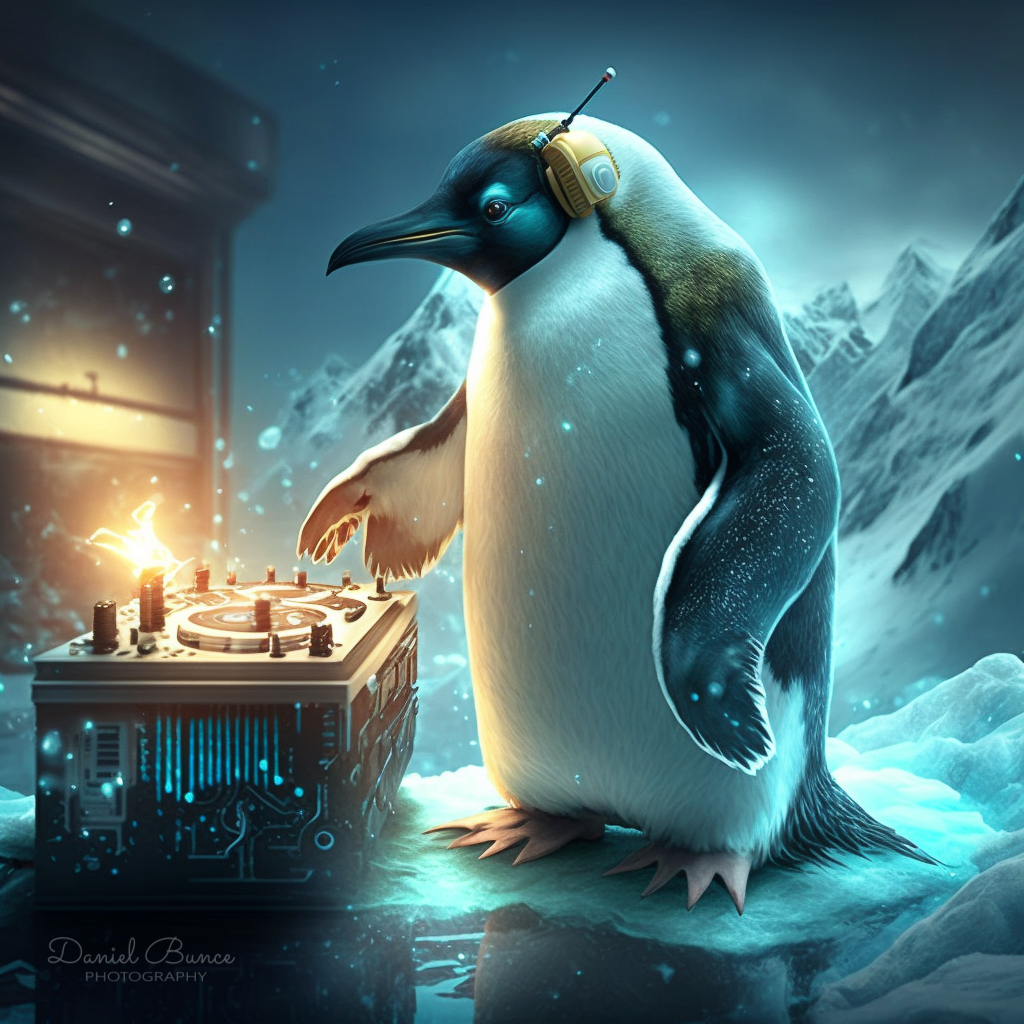
The History of DJing: How It All Began
The history of DJing is a long and fascinating one, tracing its roots back to the early days of radio broadcasting. The term “DJ” was first used in the 1940s to refer to a person who played records on the radio. This was the beginning of the modern DJ, and the practice of mixing and blending music to create a unique sound.
In the 1950s, the first commercial DJ equipment was developed, allowing DJs to mix and blend music in a more professional manner. This equipment included turntables, mixers, and amplifiers. DJs began to experiment with different techniques, such as scratching and beat-matching, to create unique sounds.
The 1970s saw the emergence of the disco era, and DJs began to play a more prominent role in the music industry. DJs began to use their skills to create unique mixes and remixes of popular songs. This was the beginning of the modern DJ culture, and DJs began to gain recognition for their skills.
The 1980s saw the emergence of hip-hop and rap music, and DJs began to use their skills to create unique mixes and remixes of these genres. This was the beginning of the modern hip-hop and rap DJ culture, and DJs began to gain recognition for their skills.
The 1990s saw the emergence of electronic dance music, and DJs began to use their skills to create unique mixes and remixes of this genre. This was the beginning of the modern EDM DJ culture, and DJs began to gain recognition for their skills.
Today, DJs are an integral part of the music industry, and their skills are highly sought after. DJs are now able to use their skills to create unique mixes and remixes of any genre of music, and their skills are highly valued.
The history of DJing is a long and fascinating one, and it has come a long way since its humble beginnings in the 1940s. From its early days as a radio broadcaster to its current status as an integral part of the music industry, the history of DJing is an interesting one.
The Different Types of DJ Equipment and Their Uses
DJ equipment is an essential part of any DJ’s setup. It is important to understand the different types of equipment available and their uses in order to create the best sound possible.
The most basic type of DJ equipment is the turntable. Turntables are used to play vinyl records and are the foundation of any DJ setup. They are usually connected to a mixer, which is used to control the volume and mix different tracks together. Turntables are also used to scratch and manipulate sound.
CDJs are digital versions of turntables. They are used to play digital music files such as MP3s and WAVs. CDJs are often used in combination with a mixer to create a more complex sound.
Mixers are used to control the volume and mix different tracks together. They are usually connected to turntables or CDJs and can be used to add effects such as reverb and delay.
DJ controllers are devices that allow DJs to control the sound of their setup without the need for a mixer. They usually come with a built-in sound card and can be used to control the volume, mix different tracks together, and add effects.
Headphones are essential for any DJ. They are used to monitor the sound of the setup and to cue up tracks before they are played.
Finally, speakers are used to amplify the sound of the setup. They come in a variety of sizes and can be used to create a powerful sound system.
In conclusion, there are many different types of DJ equipment available and each has its own unique uses. Understanding the different types of equipment and their uses is essential for any aspiring DJ.
The Benefits of Learning to DJ
Learning to DJ can be a rewarding experience that offers a variety of benefits. DJing is a creative and technical skill that can be used to entertain and engage audiences. It can also be a great way to make money and build a career. Here are some of the benefits of learning to DJ.
1. Creative Expression: DJing is a great way to express yourself creatively. You can create unique mixes and blends of music that reflect your own style and taste. You can also experiment with different genres and sounds to create something that is truly unique.
2. Technical Skills: DJing requires a certain level of technical skill. You will need to learn how to use DJ equipment, such as mixers, turntables, and controllers. You will also need to learn how to use software to create and edit music. These skills can be useful in other areas of life, such as music production and sound engineering.
3. Money Making Potential: DJing can be a great way to make money. You can play at clubs, bars, and other venues for a fee. You can also create mixes and sell them online.
4. Career Opportunities: Learning to DJ can open up a variety of career opportunities. You can become a professional DJ, work in radio, or even become a music producer.
Learning to DJ can be a great way to express yourself creatively, develop technical skills, make money, and open up career opportunities. With the right dedication and practice, you can become a successful DJ.
The Art of Beatmatching: A Guide for Beginners
Beatmatching is an essential skill for any aspiring DJ. It is the process of matching the tempo and rhythm of two songs so that they can be mixed together seamlessly. This guide will provide an introduction to beatmatching for beginners, outlining the basics of the technique and providing tips for mastering it.
The first step in beatmatching is to identify the tempo of each song. This can be done by counting the beats per minute (BPM) of each track. To do this, listen to the song and count the number of beats in 15 seconds. Multiply this number by four to get the BPM. Once the BPM of each song is known, the next step is to adjust the tempo of one of the songs to match the other. This can be done using a DJ mixer or software.
Once the tempos are matched, the next step is to adjust the rhythm of the songs. This is done by listening to the songs and adjusting the pitch of one of the songs to match the rhythm of the other. This can be done using a DJ mixer or software.
Once the tempos and rhythms are matched, the next step is to adjust the EQ of the songs. This is done by adjusting the bass, mid, and treble frequencies of each song to create a balanced mix. This can be done using a DJ mixer or software.
Finally, the last step is to practice beatmatching. This can be done by playing two songs back-to-back and adjusting the tempo and rhythm until they match. It is important to practice this skill regularly in order to become proficient at it.
By following these steps, beginners can learn the basics of beatmatching and begin to master the technique. With practice and dedication, anyone can become a skilled beatmatching DJ.
The Pros and Cons of Digital vs. Vinyl DJing
Digital DJing and Vinyl DJing are two popular methods of DJing that have been around for decades. Each has its own unique advantages and disadvantages, and it is important to understand the differences between them before deciding which one is right for you.
The primary advantage of Digital DJing is its convenience. Digital DJing allows DJs to access a wide variety of music from a single device, eliminating the need to carry around crates of vinyl records. Additionally, digital DJing allows DJs to easily manipulate and mix tracks, allowing for more creative and complex mixes. Digital DJing also allows DJs to access a wide variety of effects and tools, such as looping and beat matching, which can be used to create unique and interesting mixes.
The primary disadvantage of Digital DJing is that it can be difficult to master. Digital DJing requires a great deal of technical knowledge and skill, and it can take a long time to become proficient. Additionally, digital DJing can be expensive, as it requires specialized equipment and software.
Vinyl DJing has been around for decades and is still popular among many DJs. The primary advantage of Vinyl DJing is that it is relatively easy to learn and master. Vinyl DJing also allows DJs to create unique and interesting mixes, as they can manipulate the records in a variety of ways. Additionally, Vinyl DJing allows DJs to create a more organic sound, as the records are physically manipulated rather than digitally manipulated.
The primary disadvantage of Vinyl DJing is that it can be inconvenient. Vinyl records are bulky and heavy, and they require a great deal of storage space. Additionally, Vinyl DJing can be expensive, as it requires specialized equipment and records.
Ultimately, the decision of which method of DJing to use is up to the individual DJ. Digital DJing and Vinyl DJing both have their own unique advantages and disadvantages, and it is important to understand the differences between them before deciding which one is right for you.
 admin
admin



No comment